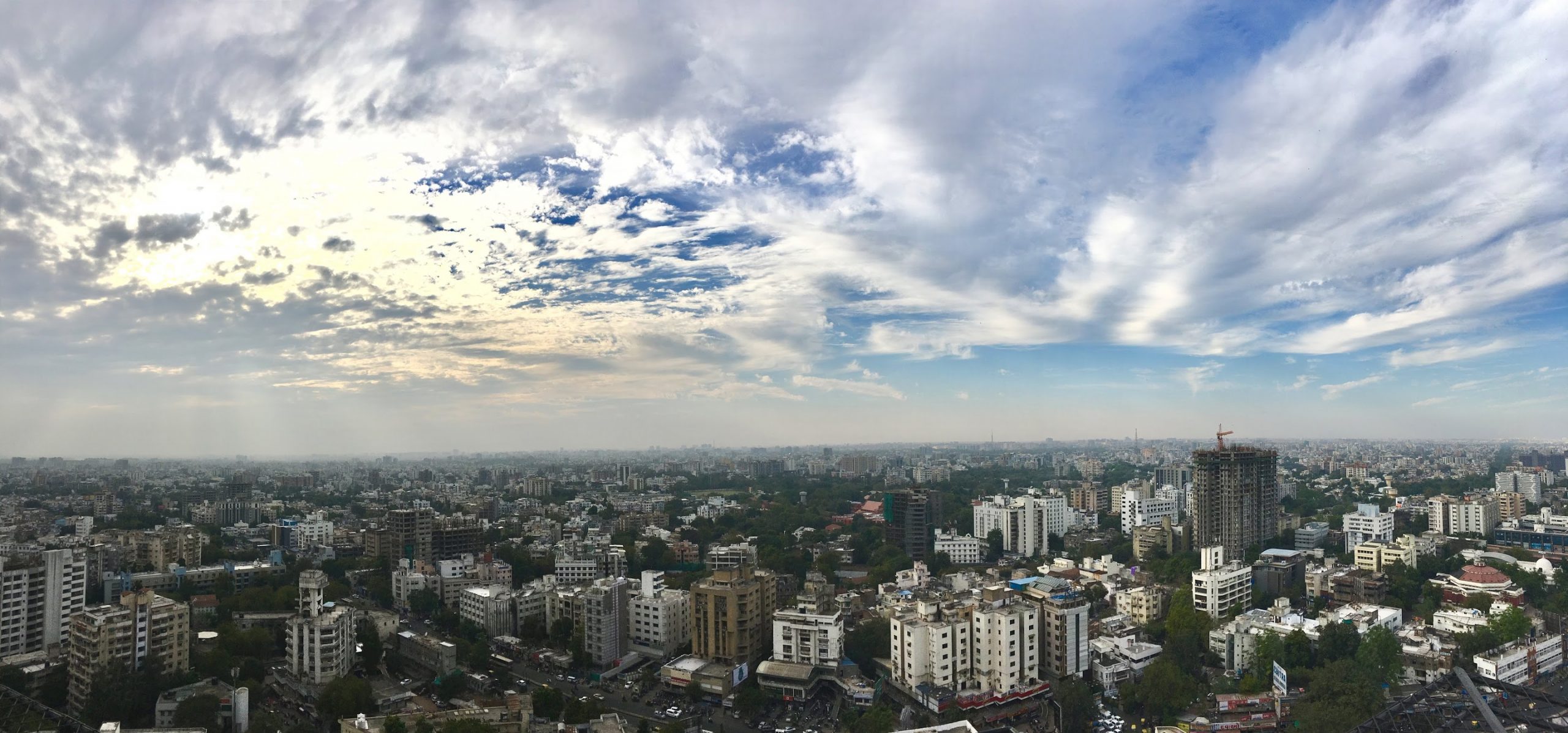
Evidence from India

A research team from EPIC & J-PAL worked with the Government of Gujarat to pilot the world’s first particulate pollution market in the industrial city of Surat.

The Problem

Regulators in Gujarat faced a confounding problem. Pollution levels in industrial cities across the state were rising. Yet, they had strict pollution rules on the books.
With the conventional "command and control" rules, the regulator set a pollution limit or mandated a technology—imposing harsh penalties like shutting down a factory or even imprisonment as the teeth for enforcement. But, enforcing these rules often became politically and logistically impossible.
Gujarat officials teamed with researchers at the Energy Policy Institute at the University of Chicago (EPIC) and The Abdul Latif Jameel Poverty Action Lab (J-PAL), who found plants were violating pollution limits and regulators were selective in penalizing them. This was leading to corruption.

A Market-Based Approach

The Gujarat government worked with the researchers to pilot the world’s first Emissions Trading Scheme for particulate pollution in the industrial city of Surat.

The Pilot

The pilot was conducted as an experiment, so the results from facilities participating in the market could be compared to a control group of facilities following existing, conventional air pollution rules.

Win #1: Eliminate Non-Compliance

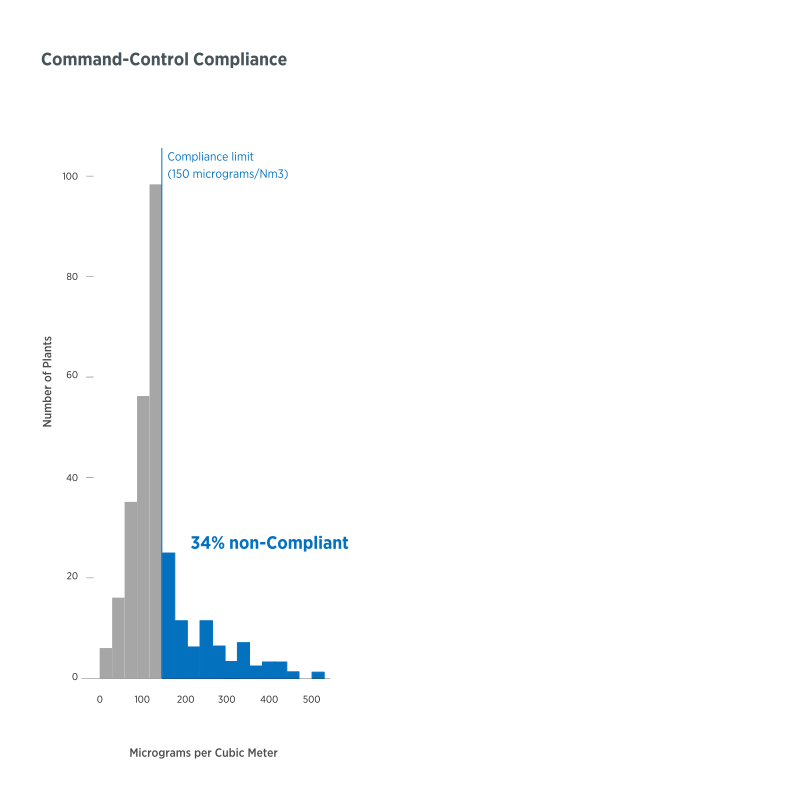
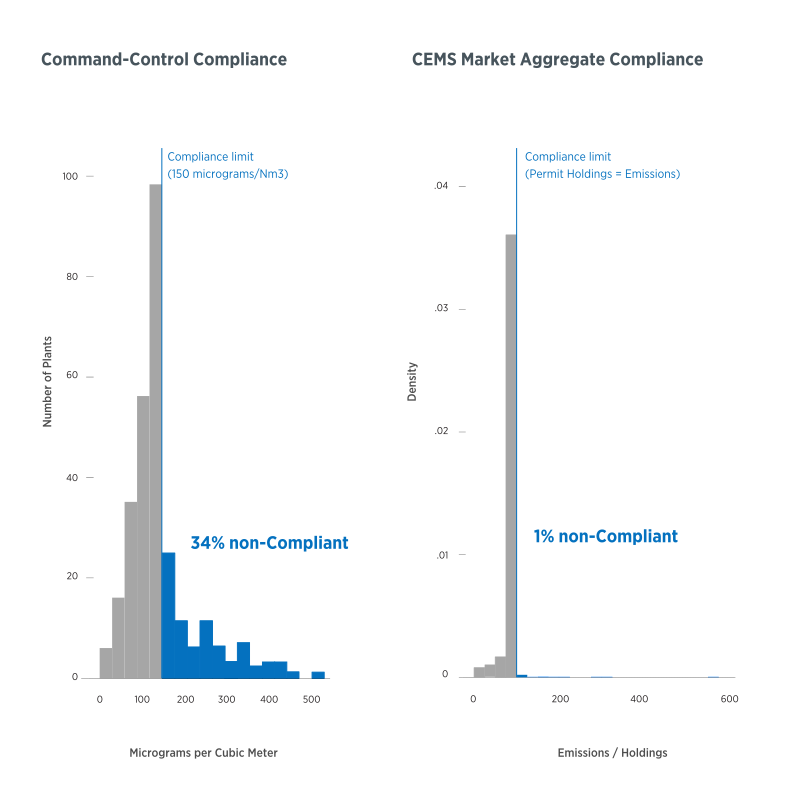
Facilities outside of the market following conventional rules didn’t comply with the rules about a third of the time.

Win #1: Eliminate Non-Compliance

With the market’s more flexible approach, only 1% of facilities didn’t comply.

In other words, they held enough permits to cover their emissions—99% of the time.

Win #2: Reduce Pollution

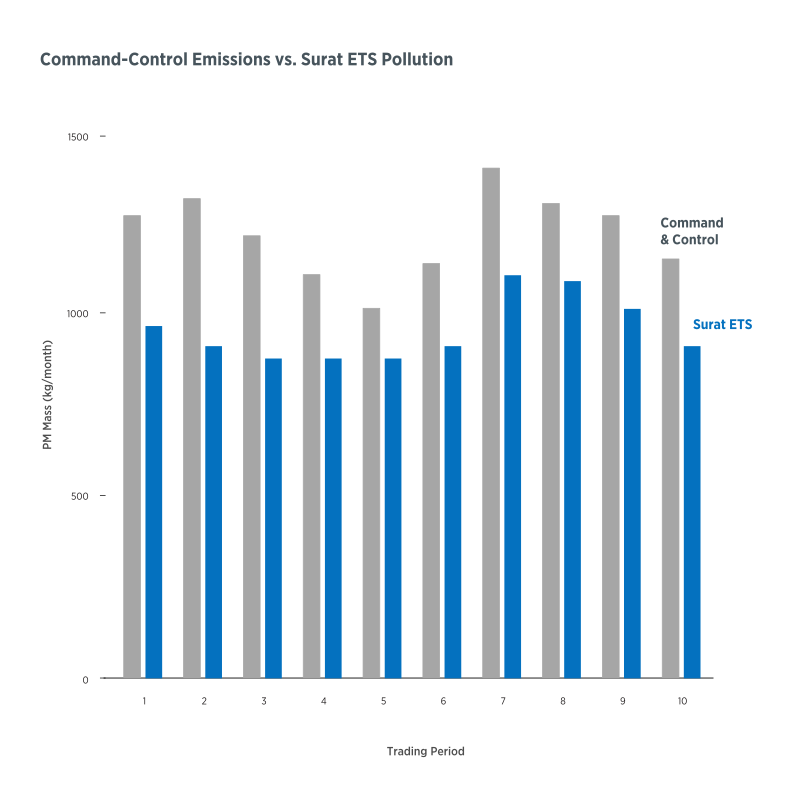
The researchers also recorded the amount of pollution facilities following conventional rules were emitting.

Win #2: Reduce Pollution

And compared that to the facilities in the market. Those in the market were emitting 20% to 30% less pollution.

Win #3: Reduce Industry Cost

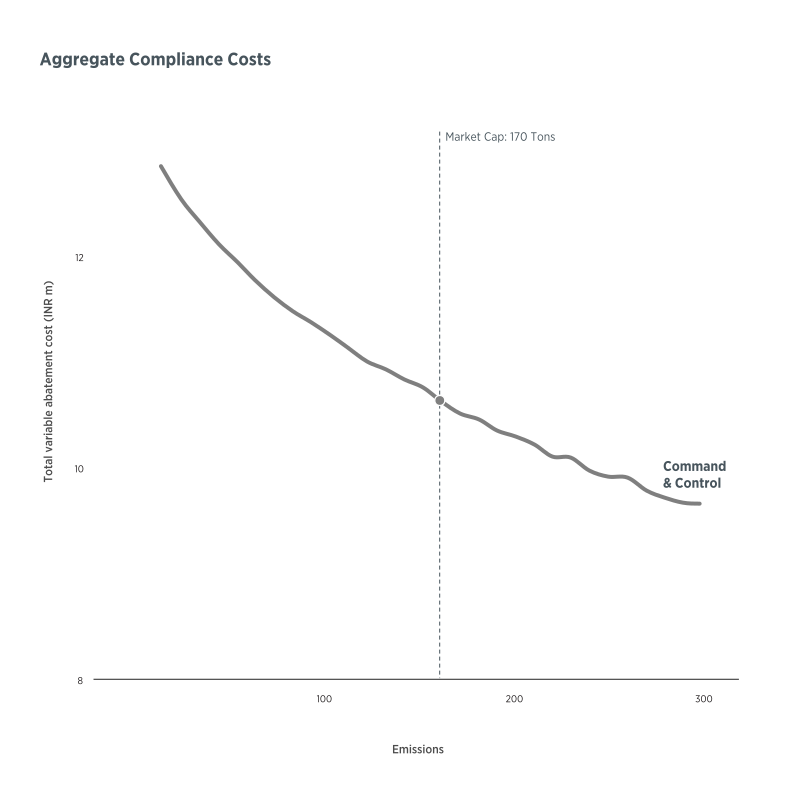
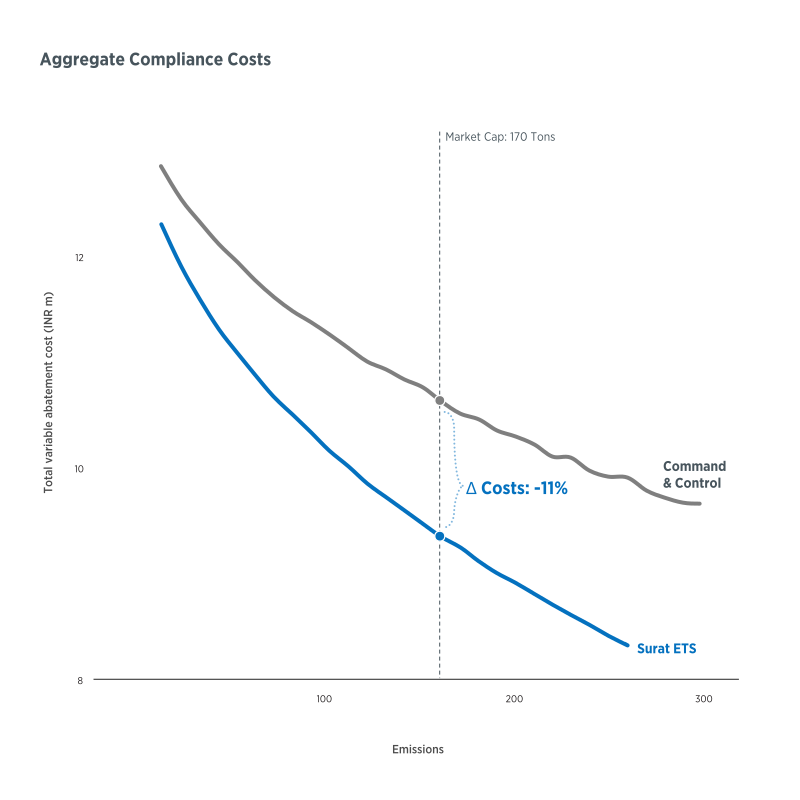
Which facilities were spending more money to comply? Here’s how much facilities following conventional rules spent to install emissions control technologies.

Win #3: Reduce Industry Cost

Compared to plants in the control group, it cost plants 11% less to comply with the market.

Overall, the market delivered a benefit-to-cost ratio of 215:1 by improving air quality, public health, and industrial efficiency.

"The market delivered a rare win-win-win by reducing pollution, decreasing abatement costs, and raising government’s success at enforcing the law. And, it did all this in a setting where there was great skepticism that pollution markets could work."
Michael Greenstone, Co-Chair, Emissions Market Accelerator; Director, EPIC; Milton Friedman Distinguished Service Professor in Economics, University of Chicago

Scaling Up

Following the success of the pilot, the Gujarat government expanded the market to cover the control group of facilities. It also launched a second market in the city of Ahmedabad—Gujarat’s largest city and a major industrial hub. Today, 20 million people are breathing cleaner air in Gujarat due to these markets. Further, the Emissions Market Accelerator team is working with the Gujarat government to establish a sulfur dioxide trading market and a wastewater pollution market.
Building on Gujarat’s momentum, the Emissions Market Accelerator team is now supporting a sulfur dioxide market in Maharashtra and is beginning to design a market in Rajasthan. Discussions are also underway to expand to several other Indian states, as well as internationally.

Surat Dashboard

Explore real-time data from the Surat emissions trading market.

Can Pollution Markets Work in Developing Countries? Experimental Evidence from India

By Michael Greenstone, Rohini Pande, Nicholas Ryan, and Anant Sudarshan, The Quarterly Journal of Economics, May 2025.